Facialrecognitiontechatusborderconcernsprivacyadvocates
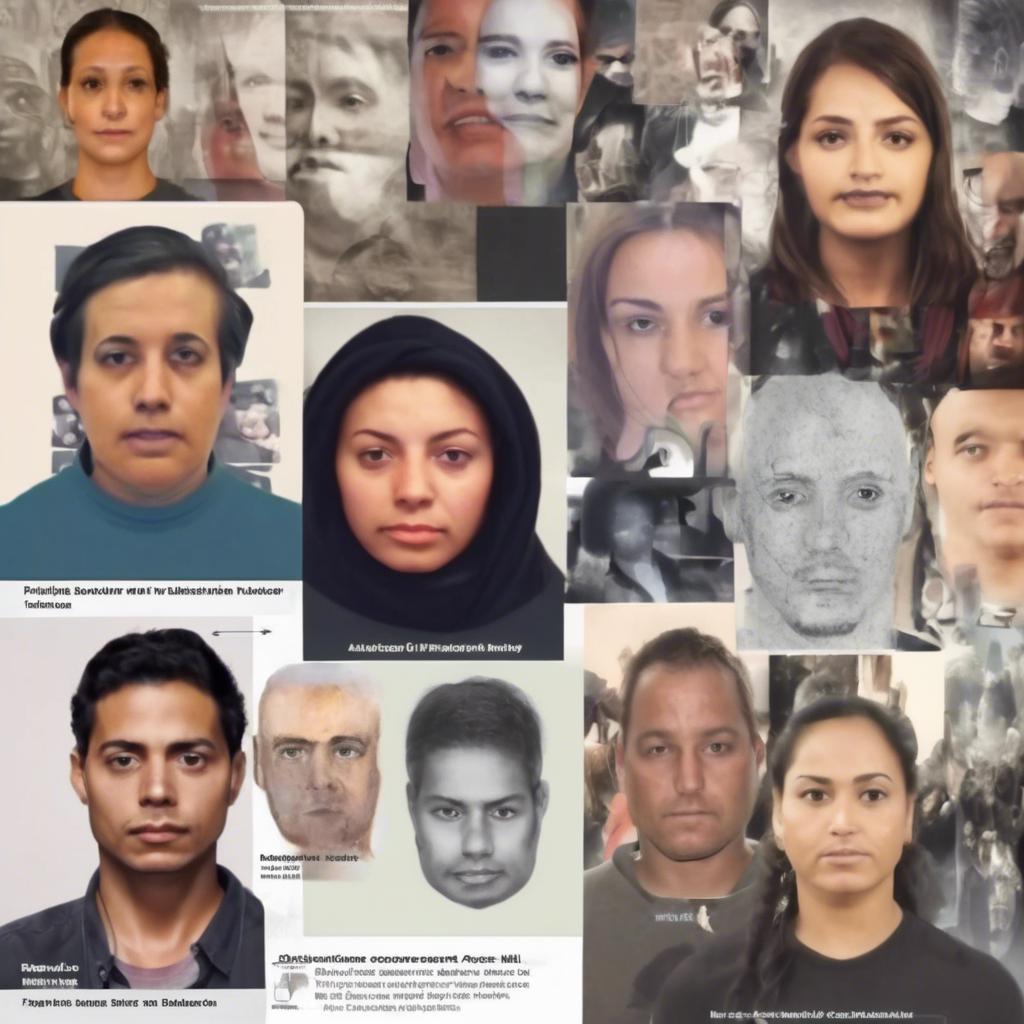
Facial Recognition Tech at US Border Concerns Privacy Advocates
The recent call by US Customs and Border Protection (CBP) for technology companies to develop real-time facial recognition systems capable of photographing all occupants of vehicles entering the country has sparked significant controversy. The CBP’s request specifically targets the ability to capture images of individuals in the backseat, expanding the scope of surveillance beyond drivers and front-seat passengers.
Privacy advocates are raising alarms about the potential for mass surveillance and the erosion of individual liberties. Concerns center on the accuracy of facial recognition technology, the potential for bias and misidentification, and the security of the vast amounts of data collected. Civil liberties organizations argue that such a system would create a de facto national ID system, enabling the government to track the movements and associations of individuals without reasonable suspicion.
“This is a massive overreach that could have chilling effects on freedom of movement and privacy,” stated a representative from the American Civil Liberties Union (ACLU). “The government shouldn’t be building a database of every person who crosses the border, regardless of their citizenship status or reason for travel.”
The CBP maintains that the technology is necessary to enhance border security and combat illegal activities such as drug trafficking and human smuggling. Officials claim that facial recognition can help identify individuals with outstanding warrants or those who pose a threat to national security. However, critics argue that these benefits do not outweigh the risks to privacy and civil liberties.
The request for proposals has prompted a debate about the appropriate balance between security and privacy in the digital age. As the technology continues to develop, the legal and ethical implications of its deployment must be carefully considered to ensure that individual rights are protected.
Further investigation is needed to determine the specific details of the CBP’s proposed system, including data storage protocols, access controls, and mechanisms for redress in cases of misidentification. The public deserves a transparent and informed discussion about the use of facial recognition technology at the border and its potential impact on our society.