Electronic Shelf Tags Gain Popularity Among Retailers Seeking Efficiency
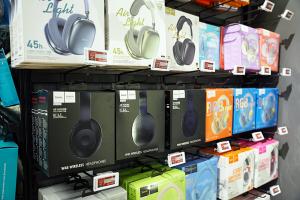
A growing number of retailers across sectors are adopting electronic shelf label (ESL) systems to streamline operations, reduce costs, and enhance pricing accuracy. The technology, once a niche solution, is now gaining traction among supermarkets, DIY stores, and specialty retailers looking to modernise their in-store processes.
The Shift to Digital Pricing
Traditional paper price tags are increasingly being replaced by digital displays that can be updated remotely and in real time. This shift eliminates manual price changes, reducing labour costs and human error. Retailers also benefit from improved pricing agility, allowing them to respond instantly to market fluctuations, promotions, or competitor pricing strategies.
“Electronic shelf tags are transforming retail operations by automating one of the most labour-intensive store processes,” said a spokesperson for a leading ESL provider. “Retailers using our solution report significant efficiency gains, allowing staff to focus on customer service rather than administrative tasks.”
Beyond Supermarkets: Diverse Adoption
While supermarkets were early adopters of ESL technology, the appeal has broadened. DIY chains, electronics retailers, and even fashion outlets are now implementing the systems to improve pricing consistency and operational efficiency.
“Retailers outside the grocery sector are recognising the value of digital shelf labels,” the spokesperson added. “Whether it’s a hardware store adjusting prices seasonally or an electronics retailer updating promotions, ESLs provide a seamless solution.”
Sustainability and Customer Experience
Beyond operational benefits, electronic shelf tags contribute to sustainability efforts by reducing paper waste. Additionally, accurate, real-time pricing enhances customer trust, as discrepancies between shelf labels and checkout systems are minimised.
As retailers continue to seek ways to optimise efficiency and adapt to dynamic market conditions, the adoption of ESL technology is expected to accelerate. With advancements in display quality and battery life, the systems are becoming an increasingly viable option for retailers of all sizes.