Plants in Space, Gene Scissors, and Rockets: Vilnius Invites to Explore Its High Technology Sector
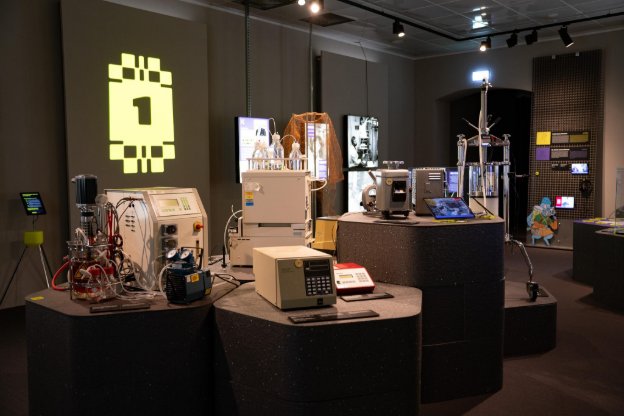
Vilnius offers a deep dive into its high technology sector in a new exhibition, Trajectory of the Future: The History of High Technology in Lithuania.
September 28, 2026. From the development of CRISPR/Cas9 technology to laser technologies used by 96 of the world’s top 100 universities, or plants growing from seed in a space station for the first time, these and other scientific breakthroughs have shaped Lithuania’s high technology sector.
Therefore, Vilnius, Lithuania’s capital, invites visitors to explore the history of its high technology sector in a new exhibition, Trajectory of the Future: The History of High Technology in Lithuania, at the House of Histories, part of the National Museum of Lithuania. For the first time, the development of five fields – lasers, biotechnology, information technology, space, and robotics – will be presented as one cohesive story. Opened on September 9th, the exhibition will run through June 6, 2027.
The exhibition puts people at its heart: physicists, biochemists, engineers, programmers, entrepreneurs, and philanthropists whose decisions over several decades have put the country and the capital on the global map of science and technology. Visitors will discover how the first Lithuanian lasers were cooled using a washing-machine pump, how plans for Lithuania’s first satellite were sketched on a napkin in a NASA cafeteria, and how research carried out at Vilnius University became one of the foundations of gene-editing technology.
One of the highlights of the exhibits is the close and gently competitive relationship between the scientific and business communities – one that continually drives both sides forward. In Trajectory of the Future: The History of High Technology in Lithuania, the startup ecosystem also plays a key role in driving the rapid development of both technology and business.
Exhibition reflects booming technology scene
Today, Lithuania’s high technology extends well beyond its historic achievements and into modern day-to-day life. For instance, the screens on smartphones used by billions of people were very likely cut using a laser developed in Lithuania. Femtosecond lasers built by Lithuanian companies like Light Conversion cut smartphone display glass and camera cover glass with precision that avoids damaging the surrounding material.
Other technologies like CRISPR/Cas9 gene-editing technology (gene scissors) also play a large part in people’s lives globally. Co-developed by Lithuanian professor Virginijus Šikšnys, the gene scissors are widely used in medicine to treat serious diseases like blood disorders or cancer.
As the majority of the country’s technology companies are based in the capital, the exhibition mirrors the city’s continuously expanding tech sector.
According to Marius Stasiukaitis, Head of Business at Go Vilnius, the official tourism and business development agency of Vilnius, the city’s tech scene is strengthened by a tight-knit ecosystem that supports new developments across different tech fields:
“Vilnius has a remarkable ability to turn scientific ideas into real-world innovation. What began decades ago in university laboratories and research institutes has grown into a technology ecosystem spanning lasers, life sciences, fintech, AI, space and robotics. What makes the city particularly exciting is the proximity between researchers, startups, established companies and talent – ideas can move quickly from the lab to the market,” Stasiukaitis says.
“This exhibition offers a fascinating look at where that journey began, while the city’s growing technology community is already shaping what comes next!”
Lithuania’s life sciences sector is one of Europe’s fastest-growing, expanding by up to 25% annually. Biotech and MedTech are especially on the rise in Vilnius, with over 3,000 companies and over 24,600 researchers working together on medical technologies. The capital is also home to spaces like Bio City – a hub of biotechnologies where science, technology, and creativity merge to create future-forward innovations.
Just recently, Bio City III, a cell therapy and personalized medicine center, the first of its kind in the Baltics, was opened in Vilnius as part of the Bio City projects. Here, scientists will develop next-generation cell therapies, personalized therapeutics, vaccines, regenerative medicine products, and other innovations.
This year, the capital also strengthened its position as a laser and photonics hub with over 60 companies employing more than 2,000 talents in their fields. Up to 95% of products are also exported globally.
As Vilnius’ technology ecosystem continues to grow across high-tech sectors, Trajectory of the Future offers both a look back at how it all began and a glimpse of where the next generation of innovators could take it.
—
ABOUT GO VILNIUS
Go Vilnius is the official tourism and business development agency of the City of Vilnius. The agency provides visitors, investors, and businesses with all the essential information about the Lithuanian capital.